570.275.1824
 Danville, PA


Things to do for seniors can include art, fitness, games, movies, shared meals, local outings, spiritual practices, and quiet activities at home. The right choices reflect your interests, abilities, energy, and preferred level of social interaction. A varied routine can bring enjoyment, connection, and a greater sense of purpose to everyday life.
Activities do not need to be complicated or demanding to feel meaningful. A familiar game, a conversation over lunch, or time spent on a creative project may be just as enjoyable as a scheduled class or outing. At Vintage Knolls in Danville, PA, residents can choose from different activities and social opportunities while receiving the level of support that suits them.
Why Meaningful Activities Matter in Daily Life
Meaningful activities add structure, variety, and personal choice to the day. They create opportunities to continue familiar interests, spend time with others, learn something new, or simply enjoy a peaceful moment.
Social connection is one reason these opportunities matter. The National Institute on Aging reports that approximately 1 in 4 community-dwelling adults age 65 and older are socially isolated. Regular conversations, shared meals, classes, and community events can make it easier to stay connected without requiring every day to be full or highly social.
Meaningful does not always mean busy. Reading, watching a favorite movie, listening to music, or quietly working on a project can provide enjoyment without a fixed schedule. The goal is to find a comfortable balance between activity, connection, and rest.
What Types of Activities Can Seniors Enjoy?
Senior activities generally fall into several categories: creative, social, physical, spiritual, recreational, and reflective. Understanding these options can help you build a routine that feels varied without becoming overwhelming.
Creative Activities
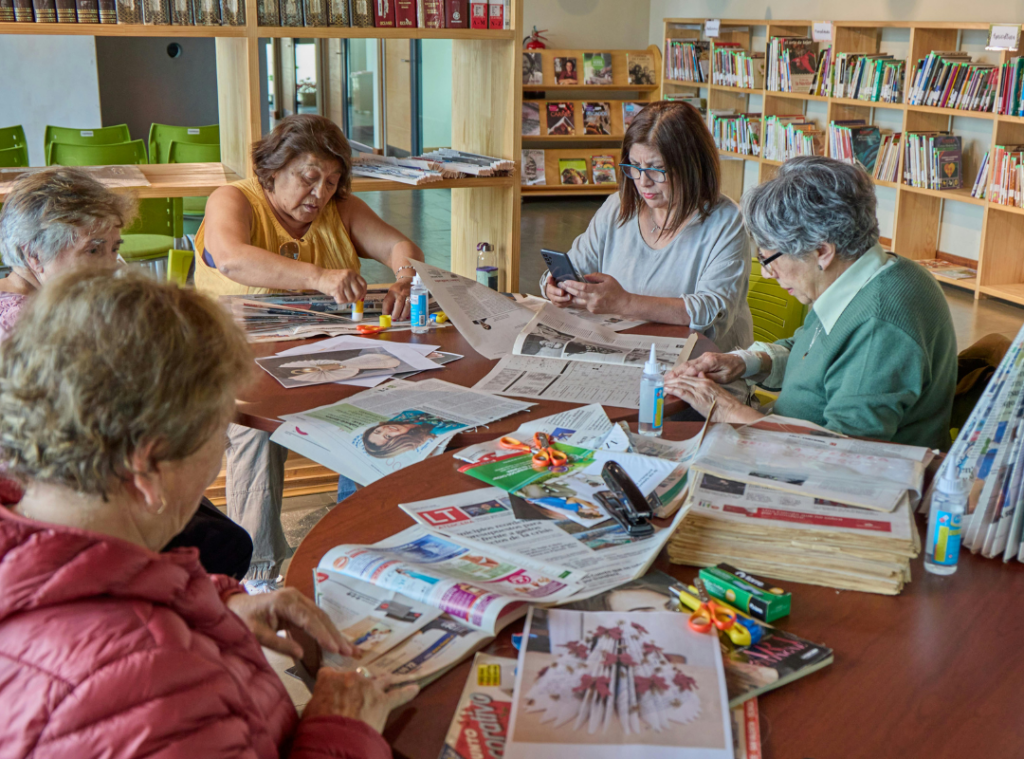
Creative activities give you a way to express yourself, make something personal, and focus on an enjoyable task. You might paint, draw, write in a journal, listen to music, or complete a simple craft.
The finished project does not need to be perfect. The value often comes from choosing colors, recalling memories, sharing ideas, or discovering a new interest. Vintage Knolls offers art classes for residents who enjoy guided creative opportunities.
Social and Recreational Activities
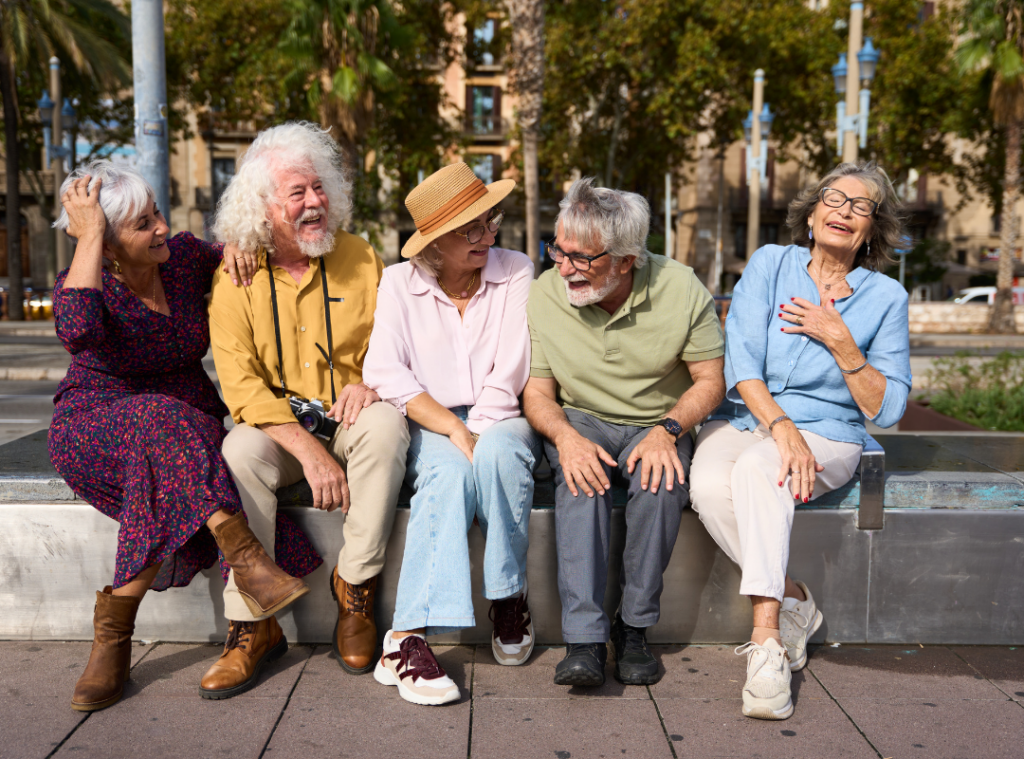
Social activities create natural openings for conversation and shared enjoyment. Game nights, movie screenings, group gatherings, and meals can help you spend time with others without placing pressure on you to carry a long conversation.
Some people enjoy lively events, while others feel more comfortable in small groups. You can choose the type and frequency of participation that feels natural to you.
Movement and Fitness Activities
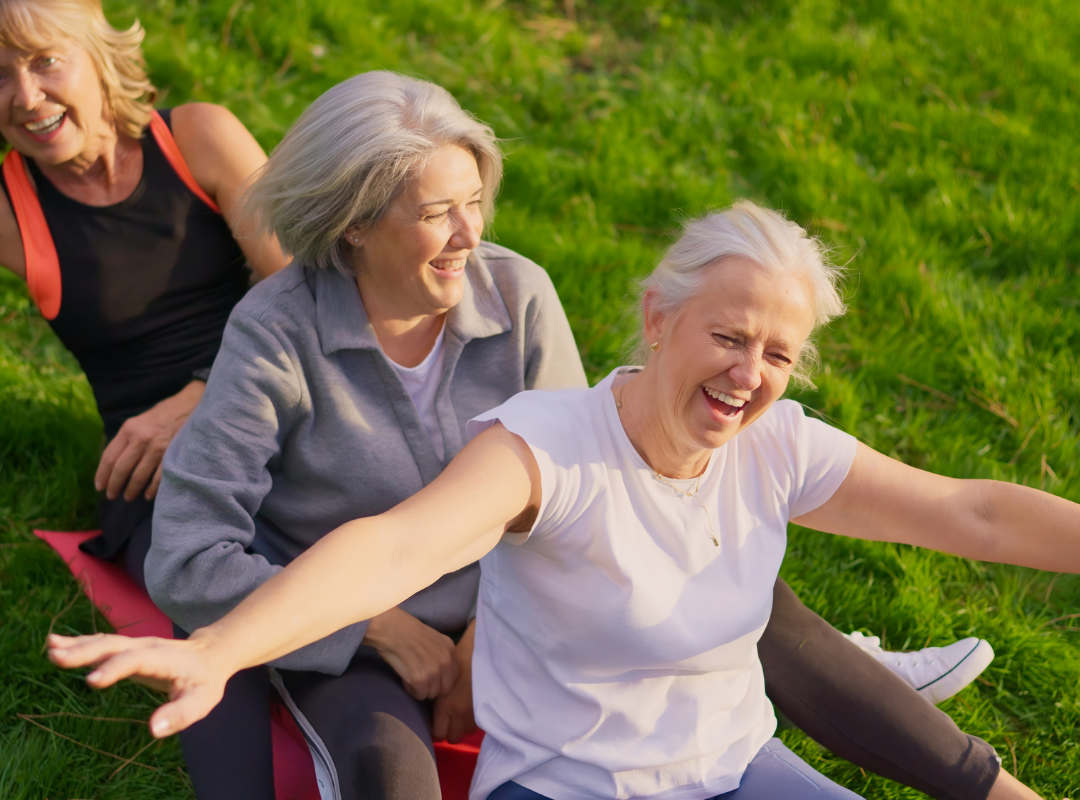
Movement activities can range from structured fitness classes to gentle activity that fits your abilities. They may add energy and variety to the day while supporting strength, balance, and mobility.
The Centers for Disease Control and Prevention recommends that adults age 65 and older work toward at least 150 minutes of moderate-intensity physical activity each week, along with muscle-strengthening and balance activities. Your abilities and health needs may affect what is appropriate, so choose movement that feels manageable and seek professional guidance when needed.
Vintage Knolls offers fitness classes, giving residents an organized option for including movement in their routines.
Spiritual and Reflective Activities
Spiritual and reflective activities provide time for calm, meaning, and personal thought. Options may include religious services, prayer, reading, gratitude journaling, or quiet reflection.
These activities can be enjoyed privately or with others. Vintage Knolls offers religious services, while residents can also create personal routines that reflect their own beliefs and preferences.
Outings and Local Experiences
Outings offer a change of scenery and a chance to remain connected with the surrounding area. A visit to a restaurant, museum, or local attraction may turn an ordinary day into a memorable experience.
Vintage Knolls organizes outings to attractions in Danville, including museums and restaurants. On-site transportation helps residents take part in these local experiences.
Things to Do for Seniors at Home
Enjoyable things to do for seniors at home should be easy to begin, comfortable to continue, and connected to personal interests. You do not need special equipment or an elaborate schedule to make your time feel engaging.
At-home ideas may include:
- Reading, journaling, or listening to music
- Completing puzzles, games, or creative projects
- Watching a favorite film or learning about a new topic
- Calling family members or sharing a meal
- Practicing prayer, gratitude, or quiet reflection
A good home routine often includes more than one type of activity. You might choose a quiet project in the morning, talk with a family member later, and end the day with music or a movie.
The National Institute on Aging encourages older adults to stay connected through calls, video chats, shared interests, and social activities. These options can be especially useful when you spend more time at home or cannot meet others in person.
Group Activities for Seniors in Community Settings
Group activities can make it easier to enjoy companionship, variety, and a sense of routine. The most suitable choices depend on whether you prefer active gatherings, creative experiences, entertainment, spiritual connection, or relaxed conversation.
At Vintage Knolls, residents may participate in:
- Art and fitness classes
- Game nights and movie screenings
- Religious services
- Dining and social gatherings
- Outings to Danville attractions
Residents can use activity rooms, social spaces, and community event rooms to spend time together. These options allow each person to choose which activities feel appealing without the expectation of attending every event.
More information about these spaces and programs is available on the Vintage Knolls amenities page.
Individual Activities vs. Group Activities
Individual and group activities can both add value to your routine. The best choice depends on how much interaction, structure, and stimulation you want at a particular time.
| Activity Type | May Be a Good Fit If You Prefer | Examples | Main Consideration |
| Individual activities | Quiet, flexibility, or an independent routine | Reading, journaling, art, or movies | Include opportunities for connection if too much time alone begins to feel isolating |
| Small-group activities | Conversation in a calmer setting | Shared meals, games, or art activities | Look for a group size and pace that feel comfortable |
| Larger group activities | Events, shared energy, and more variety | Movie screenings, religious services, or community events | Consider noise, length, and overall comfort |
| Local outings | New surroundings and experiences outside the community | Museums, restaurants, or other local attractions | Consider transportation, accessibility, and support needs |
You do not need to choose one style exclusively. A balanced week might include independent hobbies, one group activity, shared meals, and an occasional outing.
How to Choose Activities That Fit a Senior’s Interests and Abilities
The best activity is one a senior is comfortable starting and interested in doing again. Age alone does not determine what someone will enjoy, so begin with the person rather than a standard list of activities.
A simple five-step approach can help:
- Begin with familiar interests. Think about hobbies, music, games, routines, and topics the person already enjoys.
- Consider energy and social comfort. Decide whether quiet, active, structured, or group-based options feel most appealing.
- Match the activity to current abilities. Choose an option that feels manageable without causing unnecessary strain or frustration.
- Offer real choices. Let the person decide what to try, when to join, and how long to participate.
- Adjust the routine over time. Interests, abilities, and energy can change, so the activity plan should remain flexible.
Families sometimes focus on finding the single “best” activity. A more useful question is whether the person seems interested, comfortable, and willing to return to it. One enjoyable activity practiced regularly may offer more value than a long schedule filled with options that do not feel personal.
The Lifestyle Assessment can help you think through routines, preferences, and the type of environment that may feel like a good fit.
How to Find Free or Nearby Senior Activities
You can find nearby programs and activities for senior citizens by checking community calendars and trusted local organizations. Libraries, senior centers, parks, religious organizations, and public community groups may offer events or gathering spaces.
Search results for “things to do for seniors near me” may provide many choices, but proximity is only one factor. Check whether an activity matches your interests, how physically or socially demanding it may be, whether the setting feels comfortable, and what transportation or support may be needed.
Free things to do for seniors can include public events, library programs, outdoor spaces, or community gatherings. Availability varies, so confirm schedules, accessibility, and participation details directly with the organization before making plans.
For residents of Vintage Knolls, organized outings and on-site transportation provide additional ways to experience restaurants, museums, and attractions around Danville.
What Makes an Activity Program Feel Engaging Rather Than Repetitive?
An engaging activity program offers different ways to participate. It may include active and quiet choices, familiar routines, occasional new experiences, and options for both independent and social involvement.
Choice matters more than the number of events printed on a calendar. Someone who enjoys art may not want to attend every game night, while a person who likes outings may still appreciate quiet days between events.
When visiting a senior living community, ask how often activities change, whether residents can suggest ideas, and what options are available for people who prefer smaller gatherings. These details can help you understand whether the program supports different personalities, interests, and participation styles.
Activities and Daily Life at Vintage Knolls
Vintage Knolls offers activities and shared spaces designed to support different interests and daily routines. Residents can take part in art classes, fitness classes, game nights, movie screenings, religious services, dining, and outings to attractions around Danville.
Activity rooms, social spaces, and community event rooms offer places to gather, relax, or join scheduled programs. Wi-Fi and cable television access provide additional ways to enjoy entertainment and stay connected.
Daily support can also affect how easily someone participates. Vintage Knolls offers medication assistance, laundry, housekeeping, on-site transportation, and on-site rehabilitation services. These offerings can make it easier for residents to take part in activities according to their needs and preferences.
Vintage Knolls provides Independent Living and Personal Care. The right option depends on the amount of independence and daily support a person needs. Families who are unsure where to begin can use the Care Assessment to consider those support needs.
Find Activities That Make Each Day More Meaningful
The most meaningful things to do for seniors reflect the individual. A comfortable routine may combine creative interests, gentle movement, social time, spiritual practices, quiet moments, and occasional outings. What matters most is having choices that feel enjoyable, manageable, and worth returning to.
To see how activities and daily life come together at Vintage Knolls, you can schedule a tour and explore the community in person. To ask questions before visiting, contact the team or call 570-275-1824 to discuss Independent Living, Personal Care, amenities, and activity opportunities.
Frequently Asked Questions
What are some enjoyable things seniors can do at home?
Enjoyable things seniors can do at home include reading, puzzles, art projects, movies, music, journaling, and conversations with family. The best choices match the person’s interests and current abilities. Some seniors prefer quiet independent activities, while others enjoy phone calls, video chats, or shared meals. A varied routine can include creative, social, recreational, and reflective options. Activities should feel comfortable and enjoyable, not like obligations.
How can older adults find free activities and programs nearby?
Older adults can look for free activities through libraries, senior centers, parks, religious organizations, and public community calendars. Searching for local senior programs can also help identify gatherings and events nearby. Confirm the schedule, accessibility, and participation requirements directly with the organization. Consider transportation and the amount of support needed before attending. The most useful option is one that fits the person’s interests and comfort level.
What are some unique activities seniors can try for variety and connection?
Unique activities may include trying a new art project, joining a game night, attending a movie screening, or visiting a local museum or restaurant. A familiar activity can also feel new when it takes place with a group or in a different setting. Choose something that offers interest without creating too much pressure. Small changes, such as listening to unfamiliar music or learning a simple skill, can add variety. Personal preference should guide the choice.
Which group activities may be suitable for older adults in senior living communities?
Suitable group activities may include art classes, fitness classes, games, movies, religious services, shared meals, community events, and local outings. The right activity depends on the person’s interests, abilities, energy, and comfort in groups. Small gatherings may suit someone who prefers quieter conversation. Larger events may appeal to people who enjoy more energy and interaction. Residents should be able to choose how often and how long they participate.
How can families choose activities that match a senior’s interests, comfort, and abilities?
Families can begin by considering the senior’s current hobbies, past interests, energy, abilities, and social preferences. Offer a few manageable choices instead of planning a full schedule without their input. Watch whether the activity creates enjoyment, interest, frustration, or fatigue. Be willing to shorten, adapt, or replace activities as needs change. The best routine is one the senior feels comfortable choosing and continuing.
My brother and I both live out of state and were very particular about where we wanted dad to live. After much consideration personal contact referrals, and a tour with Dad it was decided. Dad was very complementary about his care, enjoyed the food and made some new friends along the way.
JJ Wagner