570.275.1824
 Danville, PA


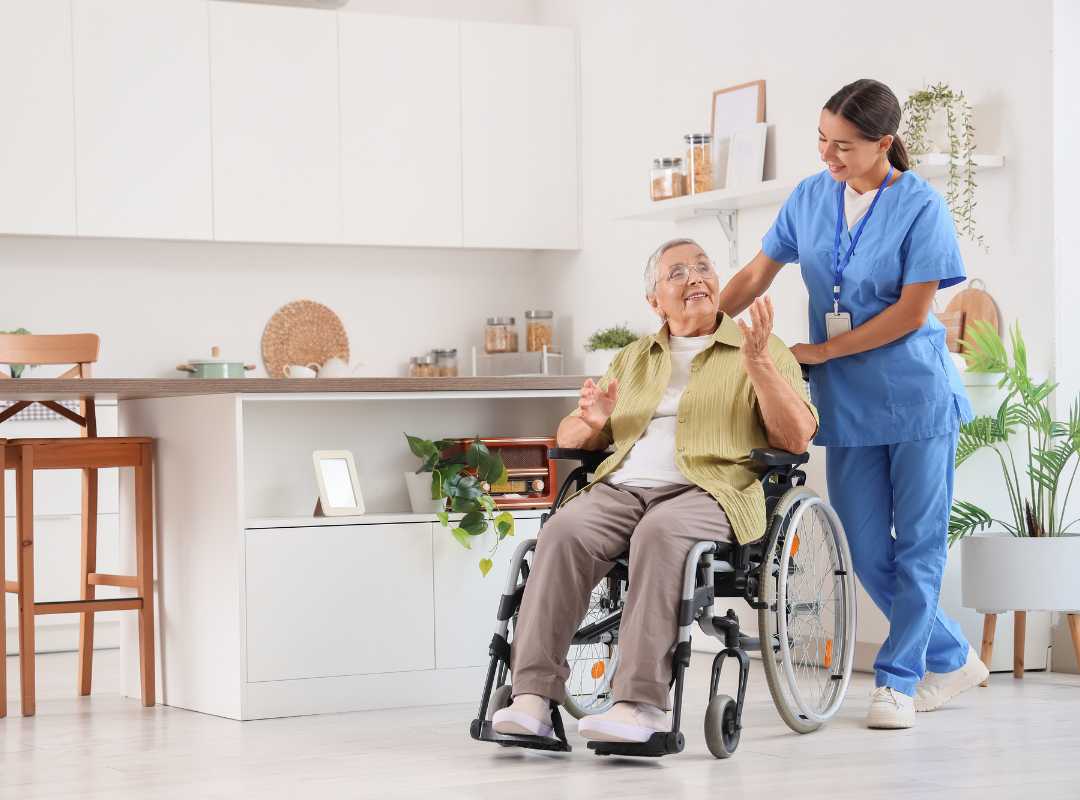
What are personal care homes? Personal care homes are residential communities that provide meals, supervision, and assistance with everyday activities for adults who need additional support but do not require the level of medical care provided by a nursing facility.
In Pennsylvania, personal care homes are licensed residential settings that help adults with daily living needs. According to the Pennsylvania Department of Human Services’ guidance on personal care homes, these residences provide support with personal care and daily routines in a residential setting.
For families exploring senior living, understanding the definition is only the beginning. You may also want to know what mornings look like, how much assistance residents receive, whether they can maintain their independence, and what opportunities they have to socialize.
At Vintage Knolls in Danville, Pennsylvania, older adults can explore Independent Living and Personal Care, with services and amenities designed to support comfortable daily routines and an engaging community lifestyle.
Key Takeaway: Personal care homes combine residential living with assistance for everyday needs. Residents may receive help with personal routines, medications, meals, and household responsibilities while continuing to enjoy personal interests, social opportunities, and familiar activities. The services and daily experience vary by community and individual needs.
What Is Daily Life Like in a Personal Care Home?
Daily life in a personal care home typically combines familiar routines, personalized assistance, meals, recreational activities, and time for relaxation.
Residents do not necessarily follow identical schedules. Some enjoy participating in group activities throughout the day, while others prefer reading, watching movies, spending time with family, or enjoying a quieter routine.
The level of assistance also differs. One resident may need occasional help with dressing or medication reminders, while another may require more regular support with everyday activities.
Understanding how assistance fits into a typical day can help families determine whether personal care is an appropriate option.
Starting the Day With Support
Mornings may begin with assistance with bathing, dressing, grooming, or other personal routines, depending on the resident’s needs and available services.
For example, an older adult may enjoy choosing their own clothes and getting ready independently but need assistance with a particular task. Another resident may require more direct support before breakfast.
The goal is to help residents complete daily activities while respecting their abilities and personal preferences.
After getting ready, residents may enjoy breakfast and begin their preferred activities for the day.
Meals, Activities, and Social Time
Dining is an important part of everyday life in many personal care homes.
Rather than managing every aspect of grocery shopping and meal preparation, residents can benefit from prepared meals and shared dining spaces.
Mealtimes may also create opportunities for conversation and companionship.
Throughout the day, residents may participate in recreational activities, depending on the community’s offerings.
Examples include:
- Art classes and creative projects
- Fitness and movement classes
- Game nights and social gatherings
- Movie screenings
- Religious services
- Community events
- Organized outings to local attractions
These activities offer opportunities to maintain interests, discover new hobbies, and connect with others.
However, participation should reflect the resident’s preferences. Someone who enjoys group activities may appreciate a busy schedule, while another person may prefer a smaller gathering or a quiet afternoon.
When comparing communities, families should review activity calendars and ask how residents can choose which programs to attend.
Quiet Time, Privacy, and Evening Routines
Personal care living is not limited to organized activities.
Residents may spend time relaxing, reading, watching television, talking with family, or enjoying their personal interests.
Evenings might include dinner, a community event, or a quiet routine before bedtime.
Residents who need assistance with evening activities may receive support according to their individual arrangements and the community’s available services.
For families, an important consideration is whether a community can accommodate familiar habits while providing the assistance their loved one needs.

What Personal Care Home Care May Include
Personal care home care focuses on helping residents manage everyday activities that have become difficult to complete independently.
The exact services depend on the community, its capabilities, and each resident’s needs.
Assistance With Personal Routines
Personal care homes may provide assistance with activities such as:
- Bathing and personal hygiene
- Dressing and grooming
- Moving through daily routines
- Other everyday activities requiring personal assistance
The amount of help should reflect the individual’s abilities and needs.
For instance, a resident may need assistance with bathing but remain independent with dressing and other personal activities.
Families should ask which services are available and how assistance is arranged.
Medication Assistance
Managing medications can become more challenging when someone takes multiple prescriptions or has difficulty following a schedule.
Personal care homes may provide medication assistance within the services they are authorized and equipped to offer.
Families should clarify what this assistance includes, how medication-related concerns are handled, and whether the available support matches their loved one’s needs.
Medication assistance should not be confused with comprehensive nursing or medical care.
Dining and Household Services
Everyday household responsibilities can become physically demanding or difficult to manage.
Depending on the residence, personal care services may include prepared meals, housekeeping, laundry, and transportation.
These conveniences can reduce the time residents spend managing household tasks and allow them to focus on activities they enjoy.
At Vintage Knolls, residents can access amenities and services, including dining, laundry, housekeeping, medication assistance, and on-site transportation.
Families interested in the available assistance can explore Personal Care at Vintage Knolls to understand how the community supports everyday living.
How Personal Care Homes Support Independence
One common concern about moving into a personal care home is whether residents will lose control over their everyday lives.
Receiving assistance does not necessarily mean giving up independence.
Independence can mean continuing to make meaningful personal choices while receiving help with tasks that have become difficult.
For example, a resident may want to choose their own clothing, maintain favorite hobbies, spend time with visitors, or decide whether to participate in a social activity.
Personal care can support these preferences while addressing specific daily needs.
Personal Choice and Familiar Routines
A comfortable residential environment should consider the individual’s interests, abilities, and preferences.
Some residents enjoy an active social calendar. Others prefer a quieter lifestyle.
Families should ask how a community accommodates individual routines and how residents communicate their preferences.
Privacy and Respectful Assistance
Privacy is another important part of maintaining independence.
Residents may need help with personal activities, but that assistance should be provided respectfully.
During a community visit, families can ask how personal care is delivered, how privacy is protected, and how residents can express concerns or request adjustments.
The goal is to find a setting where appropriate support and personal dignity work together.
Personal Care Homes vs. Other Senior Living Options
Personal care homes are one of several residential options available to older adults.
Although different senior living settings may share amenities or services, their purposes and care capabilities are not necessarily the same.
| Senior Living Option | General Purpose | Important Consideration |
| Independent Living | Residential living for older adults who generally manage personal care independently | Lifestyle, convenience, amenities, and future support needs |
| Personal Care Home | Residential living with meals, supervision, and assistance with everyday activities | Available personal assistance, daily routines, and individual needs |
| Assisted Living Residence | A residential setting with a distinct service model and licensing requirements | Care capabilities, living arrangements, and suitability |
| Nursing Facility | Nursing and medical care for individuals who require that level of support | Medical needs, nursing services, and professional recommendations |
In Pennsylvania, personal care homes and assisted living residences are separate licensing categories. Their services and requirements should not be treated as interchangeable.
Families who want a broader explanation of the assistance involved can review this simple guide to personal care before comparing specific communities.
For questions about licensing and oversight, the separate guide to personal care home regulations in Pennsylvania provides additional context without turning this daily-life guide into a legal overview.
The most important comparison is whether a community can safely and appropriately meet the individual’s needs.
Who Might Benefit From a Personal Care Home?
A personal care home may be worth considering when an older adult wants a residential community but needs assistance with certain everyday responsibilities.
The decision depends on individual circumstances rather than age alone.
Some situations that may prompt families to explore personal care include:
Daily activities are becoming difficult. An older adult may need help with bathing, dressing, grooming, or other personal routines.
Medication routines require assistance. Managing prescriptions or remembering scheduled medications may have become challenging.
Household responsibilities are harder to manage. Cooking, cleaning, laundry, or other regular tasks may require more effort than before.
Transportation is becoming inconvenient. Getting to appointments or participating in activities may be difficult without reliable transportation.
Social opportunities have become limited. Someone who enjoys companionship may appreciate shared dining, organized activities, and community spaces.
These situations do not automatically mean that personal care is the right choice.
An individual with significant medical, cognitive, mobility, or nursing needs may require services beyond what a particular personal care home can provide.
Families should discuss their loved one’s needs with prospective communities and appropriate healthcare professionals before making a decision.
If you are still exploring the appropriate level of support, the Vintage Knolls Care Assessment can help you organize your initial considerations. It is not a substitute for a professional assessment when one is needed.
What Families Should Look for During a Personal Care Home Visit
Visiting a personal care community can help families understand how its services, environment, and daily routines work in practice.
Instead of focusing only on amenities, imagine your loved one moving through an ordinary day.
Consider asking these seven questions during your visit.
- What does a typical day look like? Ask about meal schedules, activities, quiet time, and flexibility. Find out how residents maintain familiar routines.
- What personal assistance is available? Explain which activities your loved one manages independently and which require help. Confirm whether the community can provide the necessary support.
- How are individual preferences respected? Ask how residents make choices about activities, personal routines, and time spent with others.
- What happens if support needs change? Find out how changing needs are evaluated, when families are contacted, and what happens if the community can no longer provide the required assistance.
- Which services are included in the cost? Clarify what is included in the quoted rate and whether additional charges apply to personal assistance, medication services, transportation, laundry, or other support.
- What social opportunities are available? Review the activity calendar and ask which programs might appeal to your loved one. Consider both group activities and quieter options.
- Can we see the spaces residents use every day? Ask to visit dining areas, activity rooms, shared spaces, and available residential accommodations. Consider accessibility, comfort, and suitability.
Family Visit Tip: Bring a short list of your loved one’s current support needs, favorite activities, and everyday preferences. Use it to compare each community’s offerings with what matters most to your family.
Personal Care and Daily Life at Vintage Knolls in Danville, PA
For families exploring personal care homes near Danville, Pennsylvania, Vintage Knolls offers Independent Living and Personal Care at 9 Justin Dr., Danville, PA 17821.
The community combines residential living with services and amenities that support daily comfort, convenience, and opportunities for social engagement.
Activities and Community Amenities
Vintage Knolls offers opportunities for residents to enjoy activities and shared spaces, including:
- Art classes and creative activities
- Fitness classes
- Game nights and movie screenings
- Religious services
- Activity rooms and social spaces
- Community and event rooms
- Outings to Danville museums and restaurants
- Wi-Fi and cable TV
These amenities provide different ways for residents to spend their time, pursue interests, and connect with others.
Everyday Services and Support
Alongside recreational opportunities, Vintage Knolls offers services that include dining, medication assistance, laundry, housekeeping, on-site transportation, and on-site rehabilitation services.
Families can compare the community’s Independent Living and Personal Care options to better understand the available living arrangements.
The right fit depends on the individual’s preferences, support needs, and the services the community can provide.
Explore Personal Care at Vintage Knolls
Understanding what personal care homes offer is an important first step. Seeing a community in person can help you determine whether its daily routines, environment, and available assistance suit your loved one.
During a visit to Vintage Knolls, families can explore the community, ask questions about Personal Care, and see the spaces and amenities that contribute to everyday life.
Schedule a Tour at Vintage Knolls to explore the community and discuss your family’s questions.
You can also contact the Vintage Knolls team or call 570-275-1824 to learn more about the available senior living options.
Frequently Asked Questions
Can Residents Keep Their Own Daily Routines?
Residents may be able to maintain many familiar routines, depending on their needs and the community’s arrangements. Ask about flexibility around waking times, personal interests, visits, and daily activities.
Can Family Members Visit Residents?
Family visits are an important consideration when choosing a residential community. Visiting policies and arrangements can vary, so ask about visiting hours, gathering spaces, and opportunities for family involvement.
What Happens if a Resident Needs More Assistance After Moving In?
The community should be able to explain how changing needs are reviewed and whether additional support is available. If the person’s needs exceed what the residence can safely provide, a different care arrangement may need to be considered.
Can Residents Bring Personal Belongings?
Policies vary by community and accommodation type. Ask which furniture, decorations, and personal items residents may bring, along with any space or safety restrictions.
How Can Families Compare Personal Care Communities?
Compare each community’s services, daily routines, living environment, costs, and ability to meet the person’s individual needs. A tour and detailed discussion with community staff can help clarify differences that may not be apparent from online descriptions.
My brother and I both live out of state and were very particular about where we wanted dad to live. After much consideration personal contact referrals, and a tour with Dad it was decided. Dad was very complementary about his care, enjoyed the food and made some new friends along the way.
JJ Wagner