570.275.1824
 Danville, PA



Senior care communities combine residential living, social opportunities, everyday services, and different levels of personal support for older adults. The right setting depends on how independently you or your family member lives, which daily responsibilities have become difficult, and what type of environment would support a meaningful routine.
Modern communities can offer more than a place to live. They may reduce household responsibilities, make transportation and dining easier to manage, and provide regular opportunities to connect with others. Understanding how Independent Living, Personal Care, and home-based services differ can help your family choose support that fits current needs without overlooking personal preferences.
What Are Senior Care Communities?
Senior care communities are residential settings where older adults can access housing, social opportunities, daily services, and varying levels of personal support. The term covers several living arrangements, so the care available can differ significantly from one community to another.
Independent Living generally serves older adults who manage their personal routines but want fewer household responsibilities and greater access to community life. Personal Care adds support for selected daily needs within a residential setting. Other elder care services may be delivered in a person’s home or through settings designed for different levels of care.
Knowing these distinctions matters because the phrase “senior care community” does not describe one standard service package. Families should confirm what each community provides, who it is designed to support, and how services relate to the older adult’s daily routine.
Why More Older Adults and Families Are Considering Community Living
More families are exploring community living as the number of older adults continues to grow. The U.S. Census Bureau reported that the population age 65 and older reached 61.2 million in 2024, an increase of 3.1% from the previous year. Pennsylvania was also among the states where older adults outnumbered children.
Population growth is only part of the reason for rising interest. A person may remain independent while finding that home maintenance, transportation, meals, or regular social interaction take more effort than before. Families may also want a living arrangement that offers more consistency without removing the older adult’s ability to make personal choices.
Social connection can be another important consideration. The National Institute on Aging explains that loneliness and social isolation are associated with increased risks for health concerns such as heart disease, depression, and cognitive decline. Activities, shared dining, local outings, and common spaces can create regular opportunities for connection, although each person’s interests and comfort with social participation will differ.
Community living may be worth exploring when:
- Household responsibilities regularly feel overwhelming.
- Transportation limits appointments, errands, or social activities.
- The person would enjoy more consistent opportunities for connection.
- Medication routines or other daily tasks are becoming harder to manage.
- The current home no longer supports the lifestyle the person wants.
These patterns do not automatically mean that someone needs a higher level of care. They provide a starting point for discussing which settings and services could make everyday life more manageable.
Independent Living and Personal Care Serve Different Needs
Independent Living and Personal Care both provide residential community settings, but they are designed for different levels of support. The main question is not which option sounds more appealing. It is which one best reflects the person’s current abilities, recurring needs, and preferred routine?
Independent Living for Seniors
Independent Living may fit an older adult who continues to manage personal routines but wants relief from some household responsibilities. It can also appeal to someone who values nearby activities, shared spaces, transportation, and opportunities to meet other people.
At Vintage Knolls, Independent Living residents can access dining, housekeeping, laundry services, on-site transportation, Wi-Fi, cable TV, and community activities. These services can allow residents to spend less time coordinating household tasks and more time pursuing interests or connecting with others.
Independence remains central to this option. Residents can shape their own routines while enjoying the conveniences and social opportunities available within the community.
Personal Care
Personal Care may be appropriate when an older adult wants to remain involved in daily decisions but needs additional support with parts of the day. At Vintage Knolls, available support includes medication assistance, dining, housekeeping, laundry services, transportation, and on-site rehabilitation services.
A family may begin exploring Personal Care when medication routines have become difficult to follow, household tasks require regular help, or transportation and meals are no longer easy to coordinate. The specific support a person needs should be discussed directly with the community.
Families seeking a deeper explanation can read what a Personal Care home provides and consider how that setting relates to the older adult’s daily routine.
| Consideration | Independent Living | Personal Care |
| General fit | Older adults who remain largely independent | Older adults who need additional daily support |
| Living environment | Residential community | Residential community with added personal support |
| Relevant Vintage Knolls services | Dining, housekeeping, laundry, transportation, activities, Wi-Fi, and cable TV | Medication assistance, dining, housekeeping, laundry, transportation, activities, and on-site rehabilitation |
| Starting price | $4,500 | $5,600 |
| Key question | Can personal routines be managed independently? | Would regular assistance make daily life more manageable? |
How Elder Care Services Support Everyday Living
Elder care services are most useful when they address specific challenges in a person’s routine. A long list of amenities means little unless those features make daily life easier, support personal interests, or provide access to meaningful activities.
Support With Daily Responsibilities
Housekeeping, laundry, dining, medication assistance, and transportation can reduce the number of tasks an older adult or family must coordinate. The value of each service depends on the person’s situation.
Someone who manages personal care independently may still welcome relief from laundry or housekeeping. Another person may need medication assistance to create a more consistent routine. Looking at recurring challenges helps families understand which services would provide practical value.
Opportunities for Activity and Connection
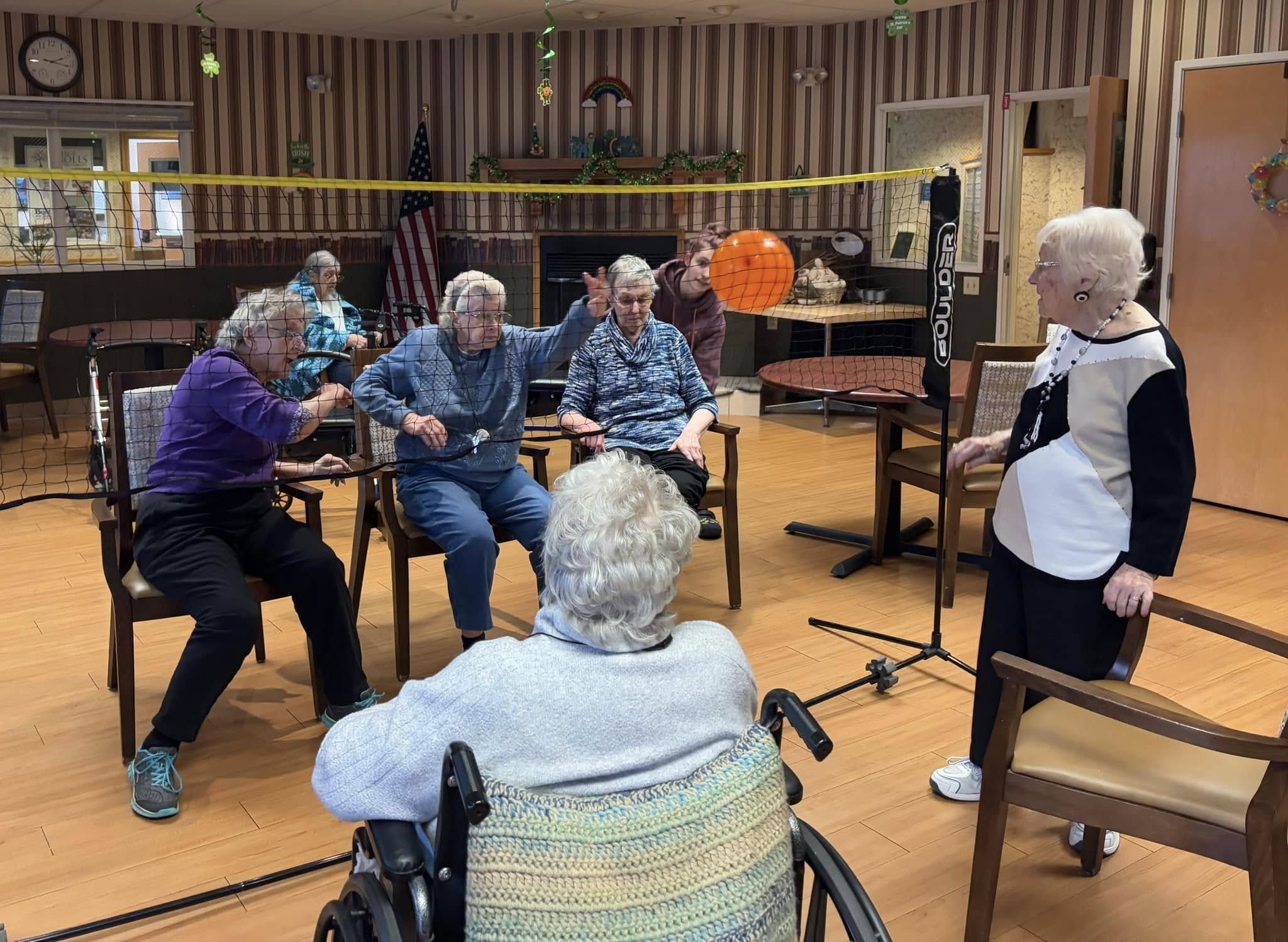
Community activities can help residents continue familiar interests and discover new ones. Vintage Knolls offers art classes, fitness classes, game nights, movie screenings, religious services, and outings to Danville attractions, including museums and restaurants.
Activity rooms, social spaces, and community and event rooms offer places where residents can spend time with others. Residents can choose activities based on their interests and preferred level of participation.
Access to On-Site Support
On-site rehabilitation services may make it easier for residents to access certain support without coordinating travel to another location. Families should ask how these services are arranged and whether they align with the older adult’s needs.
You can review the community’s services and amenities to see which features may support the routines and priorities that matter most.
Senior Home Care Services vs. a Residential Community
Senior home care services bring assistance into an older adult’s current home, while a residential community combines housing, shared spaces, services, activities, and available support in one setting. Each option has different implications for the person’s routine and the family’s responsibilities.
Home-based support may work well when the current residence remains manageable, and the person wants to stay there. The family should consider whether home maintenance, meals, transportation, social connections, and gaps between scheduled visits can still be handled comfortably.
Nonmedical home care and Medicare-covered home health are different service categories. Home care may include personal or household assistance, while home health involves medically necessary services delivered under eligibility and care-plan requirements. Medicare explains that covered home health services do not include 24-hour home care, meal delivery, or homemaker services unrelated to an approved care plan.
A residential community creates a different daily structure. Housing, activities, transportation, dining, housekeeping, and available support may be organized within the same environment. This can reduce the need to coordinate several separate services.
A useful comparison should consider whether the current home is still manageable, how much support is needed between scheduled visits, who handles meals and transportation, and whether the person wants regular access to shared activities and social spaces.
How to Determine Which Level of Support Fits
The right level of support should reflect patterns in everyday life, not one difficult day. Families can begin by looking at six areas: personal independence, medication routines, household responsibilities, transportation, social connection, and lifestyle preferences.
Personal independence: Consider which routines the person completes independently and where assistance is regularly needed. Focus on what happens most days.
Medication routines: Look at whether medications are taken consistently and whether medication assistance could make the routine easier to manage.
Home responsibilities: Notice whether housekeeping, laundry, dining, or property responsibilities are taking too much time or energy.
Transportation: Consider whether the person can reliably reach appointments, errands, activities, religious services, and visits with others.
Social connection: Look at how often the person interacts with friends, family, or neighbors. A desire for more activity may matter even when the person is otherwise independent.
Preferred lifestyle: Ask how the person wants daily life to feel. Classes, shared meals, outings, quiet personal time, and community spaces may carry different importance for different people.
Choosing support does not have to mean giving up independence. The aim is to identify which services could protect the person’s energy for the choices, relationships, and activities that matter most.
The Care Assessment can help you organize these considerations and explore which care level may fit your family’s situation.
What to Compare When Exploring Senior Care Communities
A useful comparison looks beyond the apartment and the monthly starting price. Families should examine how the setting, including services, available support, and daily experience work together.
Begin by comparing the care levels each community provides. Ask whether the setting supports the person’s current needs and what happens if those needs change. Review the levels of care carefully so you understand the difference between Independent Living and Personal Care.
Then compare the parts of daily life that may affect the resident most:
- Dining, housekeeping, and laundry services
- Medication assistance and rehabilitation access
- Transportation and local outings
- Activities, religious services, and social spaces
- Starting prices and what each option includes
Families sometimes focus heavily on one visible feature while overlooking services that shape every day. A well-designed activity room may be appealing, but transportation, meals, housekeeping, and medication support may have a greater effect on the person’s routine.
The Cost Comparison can help you organize the services, responsibilities, and value factors you want to evaluate. This creates a more complete comparison than looking at a single monthly figure.
Questions to Ask Before Choosing a Senior Care Option
Clear questions can reveal whether a community matches the older adult’s needs and expectations. Prepare the questions that matter most before contacting a community or taking a tour.
Ask about:
- Which care levels are available, and how is the appropriate level determined?
- Which services are included in Independent Living and Personal Care?
- How are medication assistance and changing support needs handled?
- What dining, housekeeping, laundry, and transportation services are available?
- Which activities, social spaces, outings, and religious services are offered?
You may also want to ask how on-site rehabilitation services are arranged, what the starting prices include, and whether any services have separate costs. Listen for clear explanations that connect services to everyday routines.
A visit can also help you notice details that are difficult to assess online. Look at how spaces are arranged, where activities take place, and whether the setting feels compatible with the person’s preferred pace of life.
Exploring Senior Care at Vintage Knolls in Danville
Vintage Knolls is located at 9 Justin Dr. in Danville, Pennsylvania, and offers Independent Living and Personal Care. These options allow older adults and families to compare a more independent residential lifestyle with a setting that includes additional personal support.
Independent Living begins at $4,500, while Personal Care begins at $5,600. Available services include dining, housekeeping, laundry, transportation, Wi-Fi and cable TV, medication assistance, and on-site rehabilitation services, depending on the care option.
Residents can also participate in art classes, fitness classes, game nights, movie screenings, religious services, and community events. On-site transportation supports outings to Danville attractions, including museums and restaurants.
Find the Support That Fits Your Next Step
Choosing among senior care communities comes down to finding the right balance of independence, daily services, personal support, and lifestyle. Independent Living may suit someone who manages personal routines but wants fewer household responsibilities, while Personal Care may fit someone who would benefit from regular assistance.
You can schedule a personal tour to explore these options at Vintage Knolls. For questions before your visit, contact the community or call 570-275-1824 to discuss your family’s priorities.
Frequently Asked Questions
What is the difference between senior care communities and independent living for seniors?
Senior care communities are a broad category of residential settings for older adults, while Independent Living is one specific option within that category. Independent Living generally serves people who manage their personal routines but want access to services, activities, and a community environment. Other senior communities may provide additional assistance for daily needs. Families should compare the available care levels and confirm which services are included.
How can families determine whether elder care services match an older adult’s daily needs?
Families can compare elder care services with the tasks an older adult manages each day. Review medication routines, meals, housekeeping, laundry, transportation, social connections, and personal independence. Pay attention to challenges that happen repeatedly instead of making a decision based on one event. Discussing these patterns with the older adult can help keep their preferences at the center of the decision.
What should you compare when exploring independent living for seniors?
You should compare the included services, living environment, activities, transportation, dining, housekeeping, location, and starting price. Consider how each feature would affect the person’s actual routine, not simply whether it appears on an amenities list. Ask what is included and whether any services carry separate charges. The best fit should support independence while reducing responsibilities the person no longer wants to manage.
How do senior home care services differ from support provided in a residential community?
Senior home care services are delivered in a person’s current residence, while a residential community combines housing and available services in one setting. Staying at home may still require someone to coordinate maintenance, meals, transportation, and social opportunities. A residential community may provide access to dining, housekeeping, activities, transportation, and shared spaces. The right choice depends on the person’s support needs, preferred environment, and ability to manage the current home.
Which questions should families ask before choosing a senior care option?
Families should ask which care levels are available and how the right level is determined. They should also ask about included services, medication assistance, dining, housekeeping, laundry, transportation, activities, rehabilitation, and changing support needs. Questions about starting prices and separate charges can clarify overall value. A tour can help the older adult and family see how the setting matches their daily priorities.
My brother and I both live out of state and were very particular about where we wanted dad to live. After much consideration personal contact referrals, and a tour with Dad it was decided. Dad was very complementary about his care, enjoyed the food and made some new friends along the way.
JJ Wagner