570.275.1824
 Danville, PA


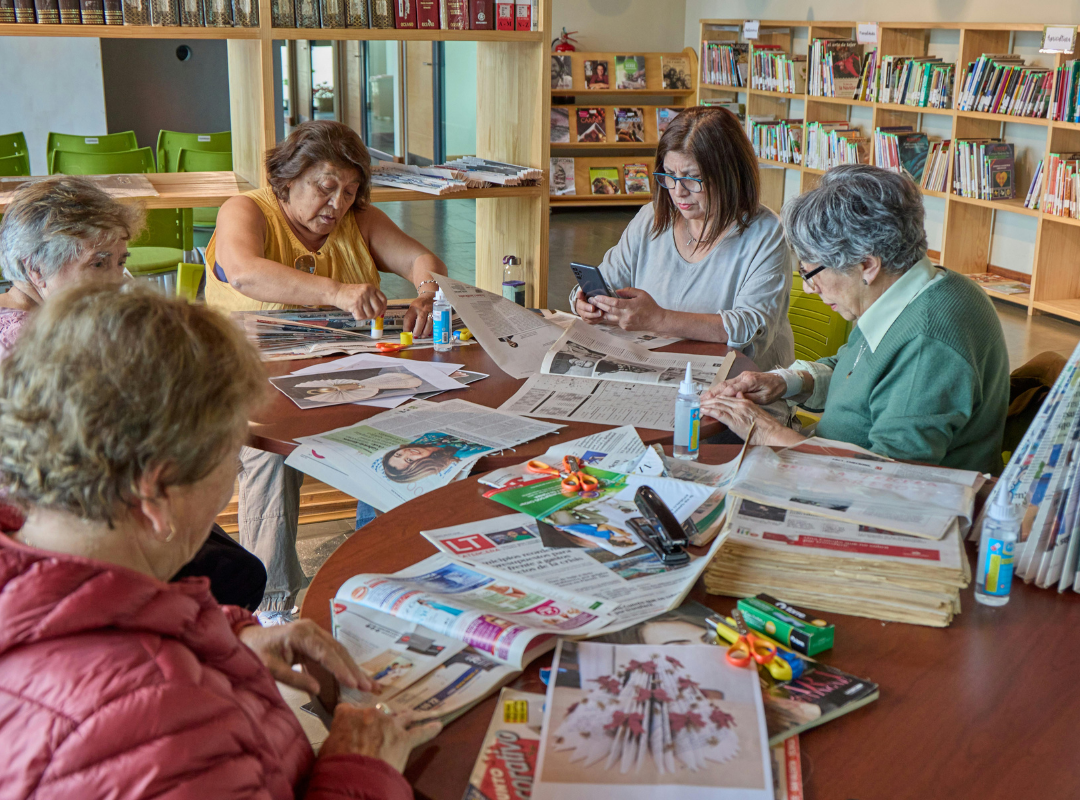
Social activities for elderly adults are shared experiences that make it easier to enjoy time with others, follow personal interests, and participate at a comfortable pace. They may include art classes, fitness classes, games, movie screenings, religious services, shared dining, or planned outings.
Finding the right activity can feel uncertain at first, especially after a change in routine or living situation. Vintage Knolls in Danville, Pennsylvania, offers several ways to participate based on your interests and preferences. The National Institute on Aging explains that meaningful social and productive activities can support healthy aging, so you can compare options and choose a comfortable starting point.
Social Activities for Elderly Adults: What They Include
Social activities for elderly adults are shared experiences that encourage participation, conversation, and time with others. They may be structured, such as an art or fitness class, or relaxed, such as watching a movie or enjoying a meal together.
Senior community events can also include games, religious services, and outings to local attractions. The Centers for Disease Control and Prevention reports that nearly 1 in 4 older adults experiences social isolation. Everyday chances to talk, share interests, and spend time with others can make connections feel more reachable.
Choose Activities That Fit Your Interests and Preferences
The best activity is one that feels enjoyable and manageable to you. You do not need to choose the busiest event or join every group to become involved.
Begin With Something Familiar
A familiar interest can make participation feel more natural. Art, movies, games, dining, and religious services offer clear points of connection because the activity gives everyone something to share.
Consider How You Prefer to Participate
You may enjoy an instructor-led class, a relaxed movie screening, a shared meal, or a planned community outing. Think about the setting where you feel most at ease, including the group size, activity pace, and amount of conversation involved.
Think About Practical Support
Transportation, activity rooms, and social spaces, and the right level of daily support may affect which opportunities work for you. If changes in thinking, mood, or behavior are affecting participation, a qualified health professional can help evaluate the cause. A peer-reviewed review of cognitive change in older adults explains why similar signs should not be treated as interchangeable.
Things to Do for Seniors Who Want More Connection
Things to do for seniors can range from hands-on classes to relaxed entertainment. Having several options allows you to choose activities based on your mood, energy, and personal interests.
Creative and Hands-On Activities
Art classes give you a shared project and a natural topic of conversation. Activity rooms and social spaces also provide a setting where residents can gather, participate, and spend time together.
Fitness and Movement
Fitness classes offer a structured way to move with others. Vintage Knolls also offers on-site rehabilitation services, which serve a different purpose from social fitness classes.
Games, Movies, and Entertainment
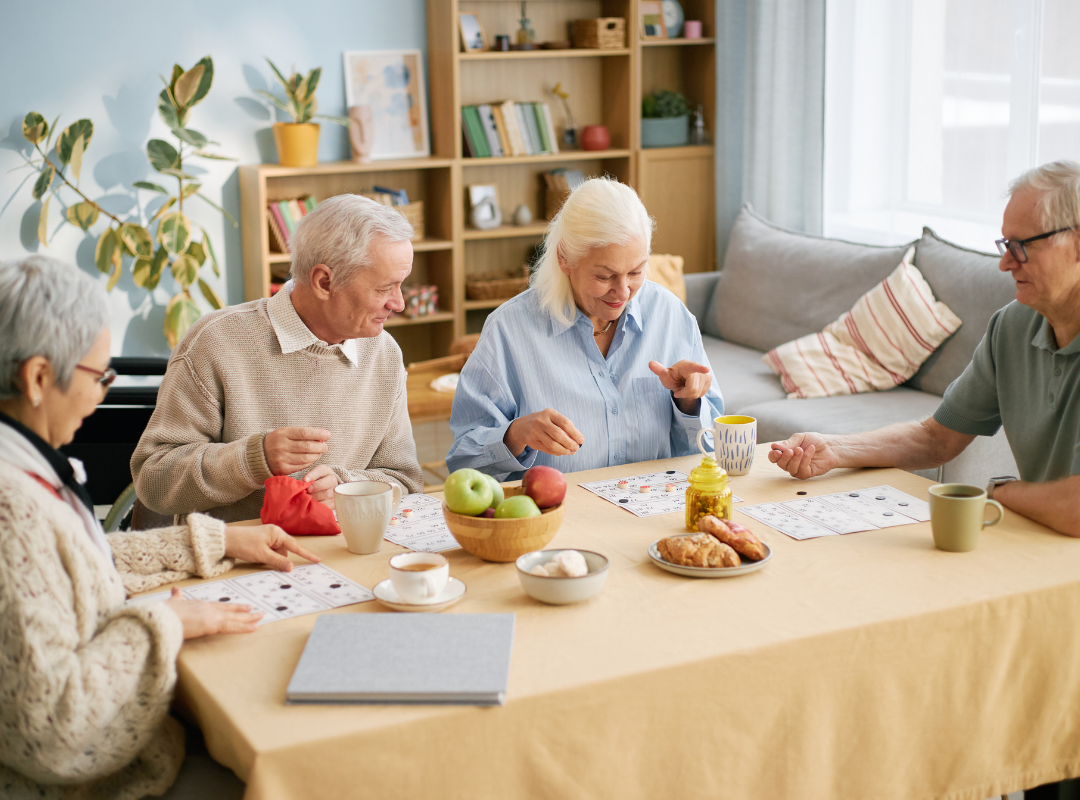
Game nights create opportunities for friendly group participation, while movie screenings offer a quieter shared experience. Community and event rooms provide gathering spaces, and Wi-Fi and cable TV access offer additional entertainment options.
Faith, Dining, and Local Experiences
Religious services, shared dining, and outings to Danville museums and restaurants provide different ways to spend time with others. On-site transportation supports planned outings beyond the community. You can review additional amenities at Vintage Knolls and find more ideas in Joyful Independent Living Activities for Seniors.
Compare Social Activities by Participation Style
Activities for elderly in care homes and senior living communities can vary in pace, setting, and level of interaction. Comparing those details can help you or your family member choose a comfortable place to begin.
| Activity | Participation Style | Setting | What to Consider | Vintage Knolls Example |
| Creative activity | Hands-on and structured | Group activity space | Interest in making or learning | Art classes |
| Fitness activity | Active and instructor-led | Group setting | Preferred pace and participation level | Fitness classes |
| Games | Interactive and social | Activity or event room | Group size and type of game | Game nights |
| Movies | Relaxed and shared | Community space | Preference for quieter activities | Movie screenings |
| Faith-based activity | Reflective and community-focused | Shared gathering | Personal beliefs and preferences | Religious services |
| Dining | Casual and conversational | Dining setting | Interest in shared meals | Dining |
| Local outing | Planned off-site experience | Danville attractions | Transportation and destination interest | Museums and restaurants |
Independent living activities and Personal Care activities should reflect the individual’s interests and needs. Availability may also depend on the community’s current schedule.
How Community Living Supports Social Participation
Community living brings gathering spaces, dining, events, and transportation into one setting. Activity rooms, community and event rooms, Wi-Fi, cable TV, and on-site transportation support different participation styles. Housekeeping and laundry services also support daily routines.
Vintage Knolls, located at 9 Justin Dr. in Danville, PA, offers Independent Living and Personal Care. Families can explore these services while also considering retirement community activities and practical lifestyle support.
Helping an Older Adult Take the First Step
The first step can be small. A senior does not need to attend a large event or commit to a full schedule before learning what feels comfortable.
- Identify one familiar interest.
- Choose a structured or relaxed activity.
- Decide between an on-site event and a local outing.
- Consider whether transportation or daily support matters.
- Visit the community and ask about current opportunities.
Include your family member in the decision whenever possible. Ask what sounds enjoyable, what setting feels comfortable, and whether they would prefer to observe an activity before participating.
See What Connection Can Look Like at Vintage Knolls
Meaningful connection often begins with an activity that fits your personality and preferred pace. At Vintage Knolls, options such as art classes, fitness classes, game nights, movie screenings, religious services, dining, and local outings offer several ways to become involved.
You can schedule a tour to see the gathering spaces and learn more about Independent Living and Personal Care. You may also contact the Vintage Knolls team to talk through the kind of daily experience you or your family member is seeking.
Frequently Asked Questions
What are some social activities for seniors?
Social activities for seniors include art classes, fitness classes, game nights, movie screenings, religious services, shared dining, and community outings. Some people prefer active group events, while others enjoy quieter shared experiences. The best choice reflects the person’s interests and preferred pace. Available activities may vary according to the community schedule.
What is the 40-70 rule for aging parents?
The 40-70 rule is a family conversation guideline, not a medical or legal requirement. It suggests beginning discussions when an adult child is around 40 or a parent is around 70. These conversations may cover living preferences, future support, routines, and personal priorities. Families can begin earlier or later based on their own situation.
What should an 80 year old be doing every day?
A suitable daily routine for an 80-year-old should reflect personal interests, abilities, and support needs. It may include a favorite activity, time with others, a shared meal, and appropriate movement. There is no single routine that fits every person. A qualified health professional can advise on individual activity limits or safety concerns.
What are the 4 D’s of geriatrics?
The 4 D’s may refer to cognitive decline, delirium, depression, and dementia. This clinical framework helps professionals consider different reasons for changes in thinking, mood, or behavior. The conditions can overlap, so the terms should not be used for self-diagnosis. New or concerning changes should be discussed with a qualified health professional.
My brother and I both live out of state and were very particular about where we wanted dad to live. After much consideration personal contact referrals, and a tour with Dad it was decided. Dad was very complementary about his care, enjoyed the food and made some new friends along the way.
JJ Wagner