570.275.1824
 Danville, PA


Senior care PA includes several living and support options for older adults, including Independent Living, Personal Care, in-home care, and nursing home care. The right path depends on your parents’ independence, daily routines, preferred lifestyle, and need for ongoing support.
In Danville, Vintage Knolls offers Independent Living and Personal Care at 9 Justin Dr., Danville, PA 17821. Understanding how these options differ can help your family compare care paths, ask clearer questions, and choose a setting that fits your parent’s current needs.
What Does Senior Care in PA Include?
Senior care in Pennsylvania includes living arrangements and support services designed around an older adult’s independence, daily routines, lifestyle, and care needs. The main options include Independent Living, Personal Care, in-home support, and nursing home care.
Each option differs by setting and the type of support provided. According to the U.S. Census Bureau, adults age 65 and older represent 20.4% of Pennsylvania’s population.
Families who want more context about changing expectations for community living can also explore the growing need for modern senior care communities.
How Independent Living, Personal Care, and Other Care Paths Differ
The main difference among senior care options is the type and frequency of support provided. A parent who manages personal routines independently may need a very different setting from someone who requires recurring assistance or higher-level medical care.
Independent Living
Independent Living generally supports older adults who can manage their personal routines but want fewer household responsibilities and more opportunities for connection.
It can work well for your parent if they value privacy and independence but would appreciate nearby dining, transportation, activities, and shared social spaces. It can also reduce the work involved in maintaining a home without adding a level of daily care that is not needed.
Personal Care
Personal Care adds regular help with daily routines while supporting as much independence as possible. It is commonly considered when a parent needs assistance with medication routines, meals, housekeeping, laundry, or other everyday needs.
Pennsylvania Personal Care Homes are residential settings that provide personal care services, assistance, and supervision. They are licensed and inspected by the Pennsylvania Department of Human Services.
Vintage Knolls offers both Independent Living and Personal Care. Families can review these levels of care to better understand how the available support differs.
In-Home Senior Care
In-home senior care assists in the older adult’s current residence. It can be worth exploring for someone who wants to remain at home and whose support needs can be managed safely and practically in that setting.
Families should also consider whether the home continues to support transportation, meals, social connections, housekeeping, and changing daily needs. Staying at home may feel familiar, but familiarity alone does not confirm that it remains the best long-term setting.
Nursing Home Care
Nursing home care may be appropriate when an older adult needs more intensive medical or skilled nursing support. This level of care should be compared separately from Independent Living and Personal Care.
Vintage Knolls does not offer nursing home care. Families who need to explore that path can use Medicare Care Compare to find and compare Medicare-certified nursing homes and other healthcare providers.
Senior Care Options in PA at a Glance
Care labels become more useful when you connect them to your parents’ actual routines and support needs.
| Care Option | May Fit Someone Who | Main Support Focus | Important Family Question | Available at Vintage Knolls |
| Independent Living | Manages personal routines but wants fewer home responsibilities | Lifestyle, dining, activities, transportation, and social connections | Would a more connected setting make daily life easier? | Yes |
| Personal Care | Needs recurring help with everyday routines | Medication assistance, meals, housekeeping, laundry, and daily support | Is your parent beginning to need regular assistance? | Yes |
| In-Home Senior Care | Wants to remain at home with outside support | Assistance delivered in the home | Can the home safely and practically support changing needs? | No |
| Nursing Home Care | May need higher-level medical or skilled nursing care | More intensive care and medical support | Does your parent need support beyond a residential Personal Care setting? | No |
The best fit depends on more than an option’s name. Focus on what your parent can manage consistently, where support is becoming necessary, and which environment fits their preferences.
How to Determine Which Care Option Fits Your Parent
The most suitable care option becomes clearer when you review your parent’s daily life, not just a single event or difficult day. Look for patterns in how they manage routines, responsibilities, and time alone.
Review Daily Independence
Consider whether your parent can consistently manage:
- Meals and medication routines
- Housekeeping and laundry
- Transportation and appointments
- Personal routines and daily responsibilities
- Time at home without regular support
One isolated difficulty may not reveal the overall level of support your parent needs. Recurring patterns across several parts of the day can provide a clearer picture of where additional help may make daily life more manageable.
Consider the Current Living Environment
A parent may remain personally independent while finding the responsibilities of living at home increasingly demanding. Home maintenance, transportation, meal preparation, and limited social opportunities can all affect daily confidence.
Independent Living may be worth exploring when your parent does not need regular personal assistance but wants an easier routine and more opportunities nearby.
Separate Lifestyle Needs From Care Needs
Lifestyle needs often involve dining, transportation, activities, social connections, and relief from household responsibilities. Care needs involve recurring help with daily routines, including medication assistance, housekeeping, laundry, and meals.
Making this distinction can prevent your family from choosing too much support or overlooking help that has become necessary. Medical or skilled nursing needs should be evaluated separately from residential lifestyle and Personal Care options.
Include Your Parent in the Decision
Your parents’ preferences should remain part of the conversation whenever possible. Ask what they value about their current home, which responsibilities feel difficult, and what they would want from a new setting.
Privacy, independence, familiar routines, social opportunities, and access to family can all affect whether an option feels right. The care assessment can help you organize these observations before speaking with the community.
What Families Should Compare When Searching for Senior Care Nearby
A nearby senior care option is useful only when it provides the right setting and support. Distance matters, but it should be considered alongside care level, services, daily life, and family access.
As you compare nearby senior care options in Pennsylvania, review:
- Available care levels and daily support
- Dining, transportation, housekeeping, and laundry
- Activities, social spaces, and lifestyle fit
- Location and ease of family visits
- Services included in the stated cost
Ask how each setting would affect your parent’s ordinary week. A community may be close to home, but still lack the care level or daily experience your parent needs.
Families comparing Pennsylvania senior living communities can also use the Lifestyle Assessment to think through interests, routines, and preferred social opportunities.
What Daily Life Can Look Like at Vintage Knolls
Daily life at Vintage Knolls combines residential choices with practical services, shared spaces, and opportunities for connection. The right features depend on whether your parent needs a more convenient lifestyle or recurring support with everyday routines.
Daily Convenience and Support
Vintage Knolls provides dining, housekeeping services, laundry services, Wi-Fi, cable TV access, and on-site transportation. Medication assistance is available within Personal Care, and on-site rehabilitation services are also among the approved amenities.
These services may reduce the number of daily responsibilities your parent or family must coordinate. They can also create a more predictable routine when tasks at home are becoming harder to manage consistently.
Activities and Social Connection
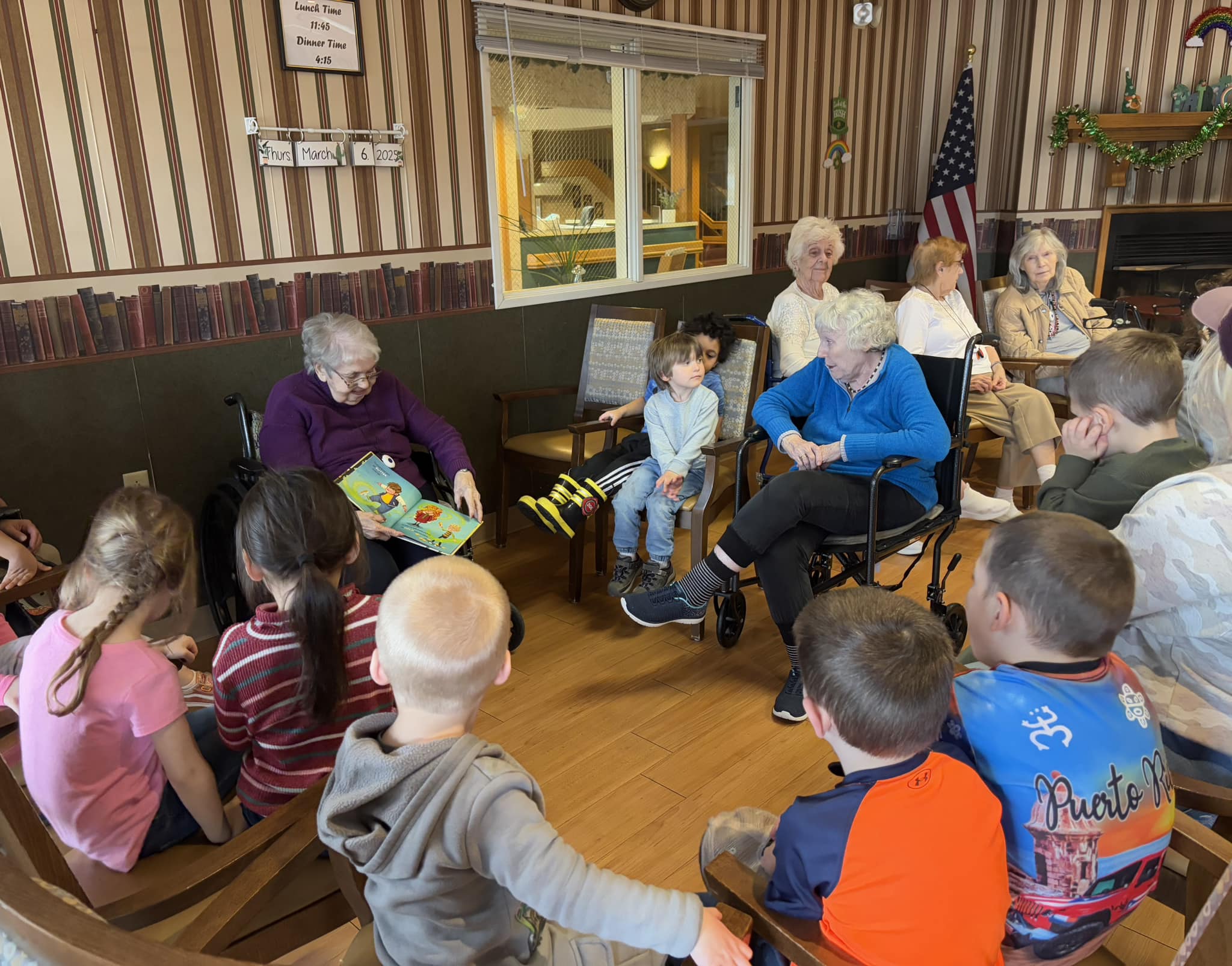
Residents can take part in art classes, fitness classes, game nights, movie screenings, and religious services. Activity rooms, social spaces, and community and event rooms offer places to spend time with others.
Outings to museums, restaurants, and other local Danville attractions provide additional ways to remain involved beyond the community. Families can explore more of the available amenities before deciding which features matter most to their parent.
Care Options Available
Vintage Knolls offers Independent Living and Personal Care. Comparing your parents’ support needs with their lifestyle preferences can help your family determine which option is more appropriate to explore.
Senior Care PA Cost and Value Considerations
Senior care PA cost varies because Independent Living, Personal Care, in-home support, and nursing home care provide different settings and levels of assistance. A useful comparison should consider both the stated price and what your parent receives.
At Vintage Knolls, Independent Living starts at $4,500, while Personal Care starts at $5,600. These are starting prices for Vintage Knolls, not statewide averages.
When comparing options, look at the services and responsibilities included in each arrangement. Dining, transportation, housekeeping, laundry, activities, medication assistance, and personal support can affect both the cost and the daily value of a care setting.
A lower listed price may not represent a stronger value when important services must be arranged separately. The Cost Comparison tool can help your family organize these differences and look beyond the initial number.
How Retirement Communities in Pennsylvania Fit Into the Care Decision
A retirement community is a broad type of residential setting, not a specific level of care. Two retirement communities in Pennsylvania may offer very different services, support levels, and living arrangements.
Some communities may focus on Independent Living, while others provide Personal Care or additional care options. Confirm what is actually offered before assuming that a general term such as “retirement home” or “senior living” describes the support your parent will receive.
Vintage Knolls provides Independent Living and Personal Care in Danville. The practical question is whether one of these care levels matches your parent’s current needs and preferred way of living.
Explore Senior Living Options in Danville With Greater Confidence
Independent Living may fit a parent who manages personal routines but wants fewer household responsibilities and more opportunities for connection. Personal Care may be more appropriate when regular help with daily routines has become necessary. In-home care and nursing home care remain separate paths when those settings or support levels better match your parent’s needs.
Seeing a community in person can make these differences easier to understand. You can schedule a tour to explore Vintage Knolls, contact the team with questions, or call 570-275-1824 to discuss what your family is looking for.
Frequently Asked Questions
What senior care options are available for aging parents in Pennsylvania?
Senior care options in Pennsylvania include Independent Living, Personal Care, in-home support, and nursing home care. Independent Living can work well for an older adult who manages personal routines but wants an easier and more connected lifestyle. Personal Care adds regular assistance with needs such as medication routines, meals, housekeeping, and laundry. In-home care provides support in the person’s current residence, while nursing home care may be appropriate for higher-level medical or skilled nursing needs.
How much does senior care typically cost in Pennsylvania?
Senior care costs in Pennsylvania vary by setting, level of support, services, and living arrangement. Independent Living, Personal Care, in-home support, and nursing home care should not be compared by price alone because they provide different types of assistance. At Vintage Knolls, Independent Living starts at $4,500, and Personal Care starts at $5,600. Families should ask what is included and how well the option supports their parents’ routines and needs.
What should families compare when searching for senior care nearby?
Families should compare care levels, included services, location, transportation, dining, housekeeping, activities, and family access. A nearby option may not be suitable if it lacks the support your parent needs. Ask how the setting would affect an ordinary day, including meals, transportation, household tasks, and social opportunities. The strongest choice should fit both your parent’s current needs and preferred lifestyle.
How do retirement communities in Pennsylvania differ from other senior living options?
Retirement communities in Pennsylvania can differ in the living arrangements and support they provide. “Retirement community” is a broad description and does not confirm whether Independent Living, Personal Care, or another care level is available. Some settings focus mainly on lifestyle and convenience, while others provide regular assistance with daily routines. Families should confirm the exact services and care levels before comparing communities.
How can families determine which Pennsylvania senior living option fits a parent’s current needs?
Families can begin by reviewing how consistently a parent manages meals, medication routines, housekeeping, laundry, transportation, and personal responsibilities. They should also consider whether the current home remains practical and whether the parent wants more connection or fewer household duties. Recurring daily difficulties may point toward Personal Care, while lifestyle needs can often be addressed through Independent Living. Higher-level medical or skilled nursing needs should be evaluated through a separate care path.
My brother and I both live out of state and were very particular about where we wanted dad to live. After much consideration personal contact referrals, and a tour with Dad it was decided. Dad was very complementary about his care, enjoyed the food and made some new friends along the way.
JJ Wagner